
How to Build a DIY Compost Bin from Reclaimed Wood
This post may contain affiliate links · This blog generates income via ads

Creating a sustainable and functional DIY compost bin from reclaimed wood is a fun project that not only benefits your garden but also contributes to environmental conservation. This step-by-step guide will walk you through building a compost bin tailored for a specific site: a snug corner of a house where each side measures about 2 feet wide. Let’s get started on transforming old fence wood into a rustic yet practical compost bin!

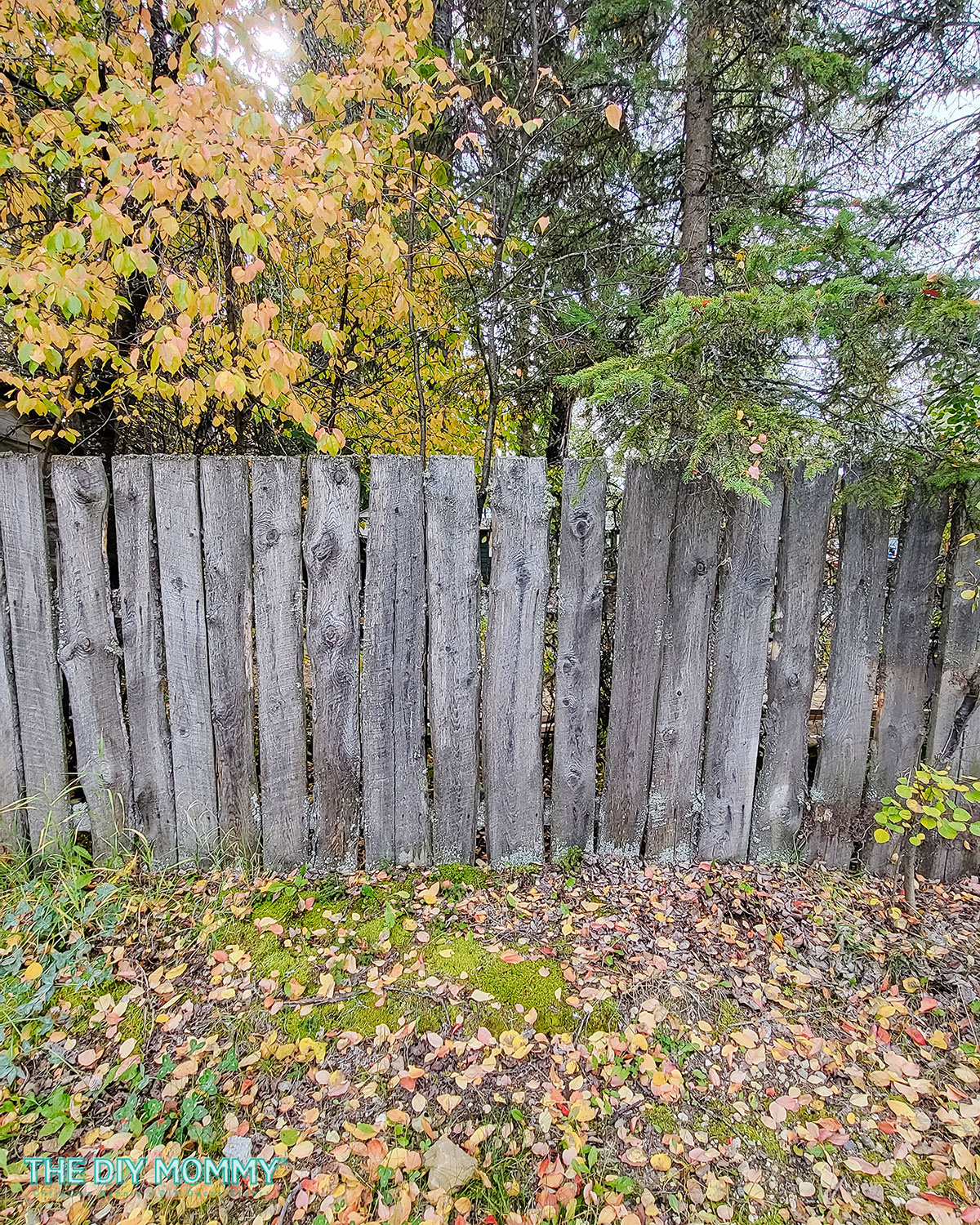
Last year, we had to tear down a very old fence at our Tiny Lake House rental property to put up a more stable privacy fence in its place. We still loved the old wood from the old fence, so we kept it to use for woodworking projects. So far, I made this cute little kitchen riser, and I have some more ideas that I’ll share soon. Recently, my dad made this amazing compost bin out of some of our old fence boards and I knew I HAD to share this DIY with you! It’s such a wonderful idea, and it’s so much better than having an eyesore of a bare compost pile filled with food scraps on your property. Let me show you how my dad made this incredible compost bin from the reclaimed wood from our fence.
Materials and Tools Needed
Materials:
- Reclaimed wood from an old fence, reclaimed cedar lumber, or wood slats from pallets
- Exterior-grade wood glue
- Brad nailer & brad nails
- Small wooden scraps (for jigs)
- Simple wood or metal catches
Tools:
- Table saw
- Miter saw or circular saw
- Hammer
- Measuring tape
- Carpenter’s square
- Level

Step 1: Preparing the Wood Slats
Start by gathering your reclaimed fence wood, which should vary in width from 6 to 8 inches and be just over 3/4 inches thick. For our bin, we need uniform slats, so cut the fence wood into 3-inch wide strips using a table saw. The length will depend on how wide you want your bin to be (see the Note, below). Alternatively, you could use slats from an upcycled pallet to create a pallet compost bin.
Why 3-inch wide slats? This width provides a good balance between sturdiness and allowing air to flow through the compost material.
Note: My dad made this compost bin to measure about 2×2 feet to fit in this small area at the side of his house. However, you may want to make your compost bin larger so that it’s easier to access the compost inside.

Step 2: Preparing the Vertical Supports
Next, we need vertical supports for our compost bin. Reuse 1 x 3-inch pieces from the recycled fence wood and trim them to 42 inches using a miter saw. If a miter saw isn’t available, a regular circular saw works fine. These vertical supports will be the framework to which the horizontal slats are attached.
Tip: Double-check the height of your vertical supports to ensure they align perfectly with your intended design, especially if you have any uneven ground to accommodate.

Step 3: Site Preparation
Choose your bin’s location and ensure the site is level. In our case, one side of the compost bin will sit about 6 inches under the dirt surface. So, make sure to dig out and level this area appropriately. This setup allows the compost to stay in place and integrate with the soil, promoting better composting conditions.
Consider: The compost bin should be easily accessible but not too close to the house to avoid any potential odor issues.

Step 4: Constructing the Sides
Step 4a: Building the First Side
Begin by laying out your vertical supports on a flat surface. Use a carpenter’s square to ensure that your vertical and horizontal pieces are perfectly square.

Apply exterior-grade glue along the edge of the first slat and position it against the vertical supports, ensuring it’s level.

Nail the horizontal slat with a brad nail gun to the vertical supports.

Create a 3/4 inch gap between the slats using small wooden scraps (jigs) as spacers. This gap is crucial for air circulation, which is necessary for effective composting.

Continue gluing and nailing the slats until the first side is completed. Remember to leave a 6-inch gap at the bottom if your site requires it.
Tip: Regular nails work well, but you can also use deck screws and a power drill for a more secure hold, especially if your wood is slightly warped or uneven. If you’re using a softer wood like pine, you may want to drill holes prior to adding the screws (pilot holes) to prevent your wood from splitting.

Step 4b: Building the Access Door
For the access door, you’ll need to build a smaller frame. In this case, construct it 3 slats high. Position the vertical pieces so they’ll fit inside the bin’s vertical supports.

Attach a spacer on the side where the access door will be placed. This spacer helps align the door correctly and allows it to swing open and close easily.
Why an access door? It provides easy access for turning the compost and removing the finished compost when needed.

Step 5: Assembling the Bin
Once you’ve constructed the first side and the access door, proceed to assemble the remaining sides. Begin by attaching the second side in the same way you built the first, ensuring it’s square and level.

Step 5a: Attach the Access Door
Place the access door into position on the side where the spacer is attached. Attach simple wood or metal catches to secure the door. These catches should swivel to allow the door to be easily removed when needed. Position them carefully to ensure the door stays closed but can be opened with minimal effort.
Tip: Test the door’s movement and fit several times during installation to ensure it swings freely and aligns properly with the frame.

Step 5b: Final Assembly
With the first two sides and the access door in place, attach the remaining two sides to complete the bin’s structure. Use a level to ensure the entire bin remains even and square during assembly.

Step 6: Placing the Compost Bin on Site
Now it’s time to position your compost bin on the prepared site. Ensure the bin is level and the access door faces in the direction for easiest access. This might involve some slight adjustments to the ground or the bin itself.
Secure the bin in place by making sure it sits firmly on the ground. If needed, drive stakes into the ground at the corners to prevent the bin from shifting or tipping over.

Finishing Touches
With the bin assembled and placed, double-check all connections. Ensure the slats are securely fastened and there are no loose nails. Apply additional glue or nails if needed for extra stability. Your compost bin is now ready for use!
Add a touch of personalization: Consider painting or staining your compost bin to protect it from the elements and add a bit of flair. Choose eco-friendly paints or stains that are safe for the environment and won’t leach harmful chemicals into your compost; consider painting or staining the outside of the bin only.
You could also add a lid with air flow if you’re concerned with critters climbing inside. A square of chicken wire or other wire mesh material secured to one side of the bin with zip ties would be perfect for this.

Using Your DIY Compost Bin
Start by layering your compost bin with a layer of green (nitrogen-rich) and a layer of brown (carbon-rich) materials. Green materials include kitchen scraps like vegetables and egg shells, grass clippings, and coffee grounds, while brown materials consist of yard waste like dried leaves, straw, hay, twigs, and cardboard. Turn the compost regularly from the top of the bin with a pitchfork to speed up the decomposition process. You can even add compost worms (red worms) to your bin to create worm castings to create “vermicompost”. Learn more about this process here.
Why turn the compost? Regular turning aids in aeration of the compost, which helps maintain the right moisture and temperature levels for efficient decomposition for the composting process.
Over time, your reclaimed wood compost bin will weather and develop a beautiful, rustic appearance. Not only will you be creating nutrient-rich compost for your garden, but you’ll also be proud of the functional and environmentally friendly structure you built yourself.

How to Use Your Compost
Congratulations! You’ve successfully created a DIY compost bin and started the composting process. Now, let’s explore how to make the most of your nutrient-rich compost in your garden.
1. Top Dressing for Plants
One of the simplest ways to use compost is as a top dressing for plants. Spread a layer of finished compost around the base of your plants. This provides them with a nutrient boost and helps retain soil moisture. Be careful not to pile compost against the stems or trunks of plants, as this can lead to rot.
How to apply: Simply rake the compost evenly over the soil surface, about 1-2 inches thick. It will gradually work its way into the soil, enriching it over time.
2. Soil Amendment
Mixing compost into garden soil improves its structure, increases its water-holding capacity, and enhances its nutrient content. This is particularly beneficial for heavy clay soils, which can become compacted, or sandy soils, which can drain too quickly.
How to apply: Incorporate 3-4 inches of compost into the top 6-8 inches of soil. This can be done in planting beds, vegetable gardens, or even in lawn areas before planting grass seed.
3. Compost Tea
Compost tea is a liquid version of compost that provides a quick fertilizer style nutrient boost to plants and helps fight off diseases. To make compost tea, steep finished compost in water for a few days, then strain the liquid and use it to water your plants.
How to apply: Use the compost tea to water your plants directly or as a foliar spray. It’s a great way to deliver nutrients quickly, especially during the growing season.
4. Mulching
Use compost as mulch to suppress weeds, retain moisture, and regulate soil temperature. Apply a 2-3 inch layer of compost around trees, shrubs, and perennials. This not only feeds the soil but also helps protect plant roots from extreme temperatures.
How to apply: Spread compost evenly around the plants, keeping it a few inches away from the stems or trunks to prevent rot. Replenish as needed throughout the growing season.
5. Lawn Top-Dressing
Compost can also be used as a top-dressing for lawns to improve soil health and promote lush growth. Spread a thin layer of compost over your lawn, and it will gradually integrate into the soil.
How to apply: Use a rake or a spreader to distribute a 1/4-inch layer of compost over your lawn. Water it in well to help the compost settle into the soil.
6. Potting Mix
Enhance your potting soil by mixing it with compost. This adds organic matter and nutrients to the soil, promoting healthy root development and plant growth.
How to apply: Mix 1 part compost with 2 parts potting soil. Use this enriched soil for planting containers, window boxes, and indoor plants.

Creating your own compost bin from reclaimed wood is a satisfying project that adds character to your garden while promoting sustainable practices. By repurposing materials, you’re giving old wood a new life and reducing waste. Plus, composting is a wonderful way to turn your vegetable scraps into something useful. Whether you’re an experienced DIYer or just starting, this project offers a rewarding experience and a practical addition to your gardening toolkit. Happy Composting!
PIN ME:


