
How to Make Pumpkins Last Longer: Easy Tips for Fresh Pumpkins
This post may contain affiliate links · This blog generates income via ads

Want to learn how to make pumpkins last longer instead of turning soft and mushy halfway through fall? The best way to make them last is to start with firm, undamaged pumpkins and keep them cool, dry, and protected from freezing temperatures.
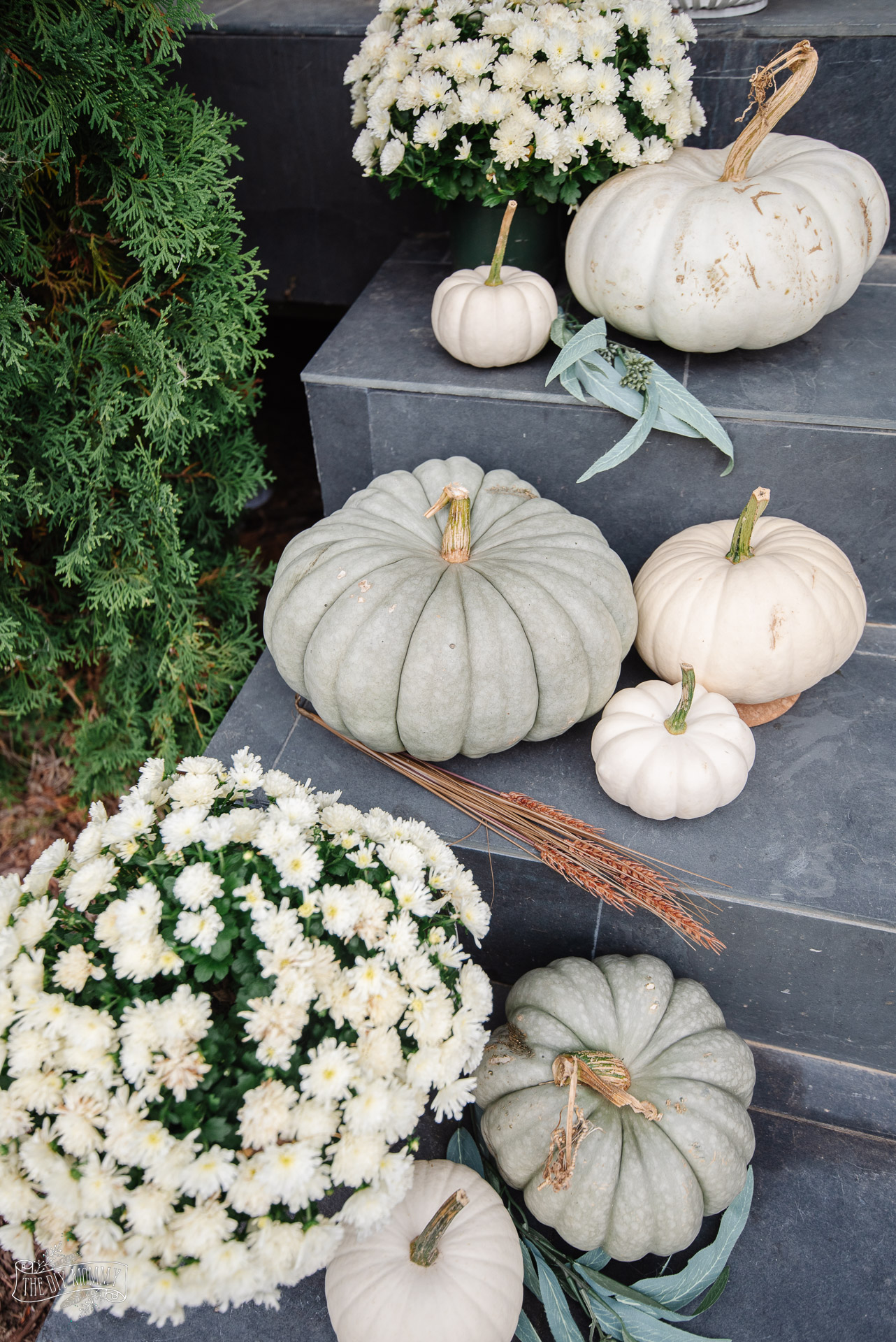
For uncarved squash, good airflow and careful handling can help them last for weeks or even months. Carved fruit have a much shorter life, but keeping them cool and protecting the cut surfaces can help you get a few more days out of your jack-o’-lantern.
I love decorating with real pumpkins in the fall. They add beautiful natural color and texture to a front porch, dining table, or fall display without requiring much decorating at all.
The frustrating part is watching a beautiful pumpkin develop a soft spot shortly after you bring it home!
Over the years, I’ve picked up some helpful tricks for keeping my pumpkins looking fresh. Whether you’re decorating with them whole, carving jack-o’-lanterns, or hoping to cook them later, here are the simple steps I recommend.
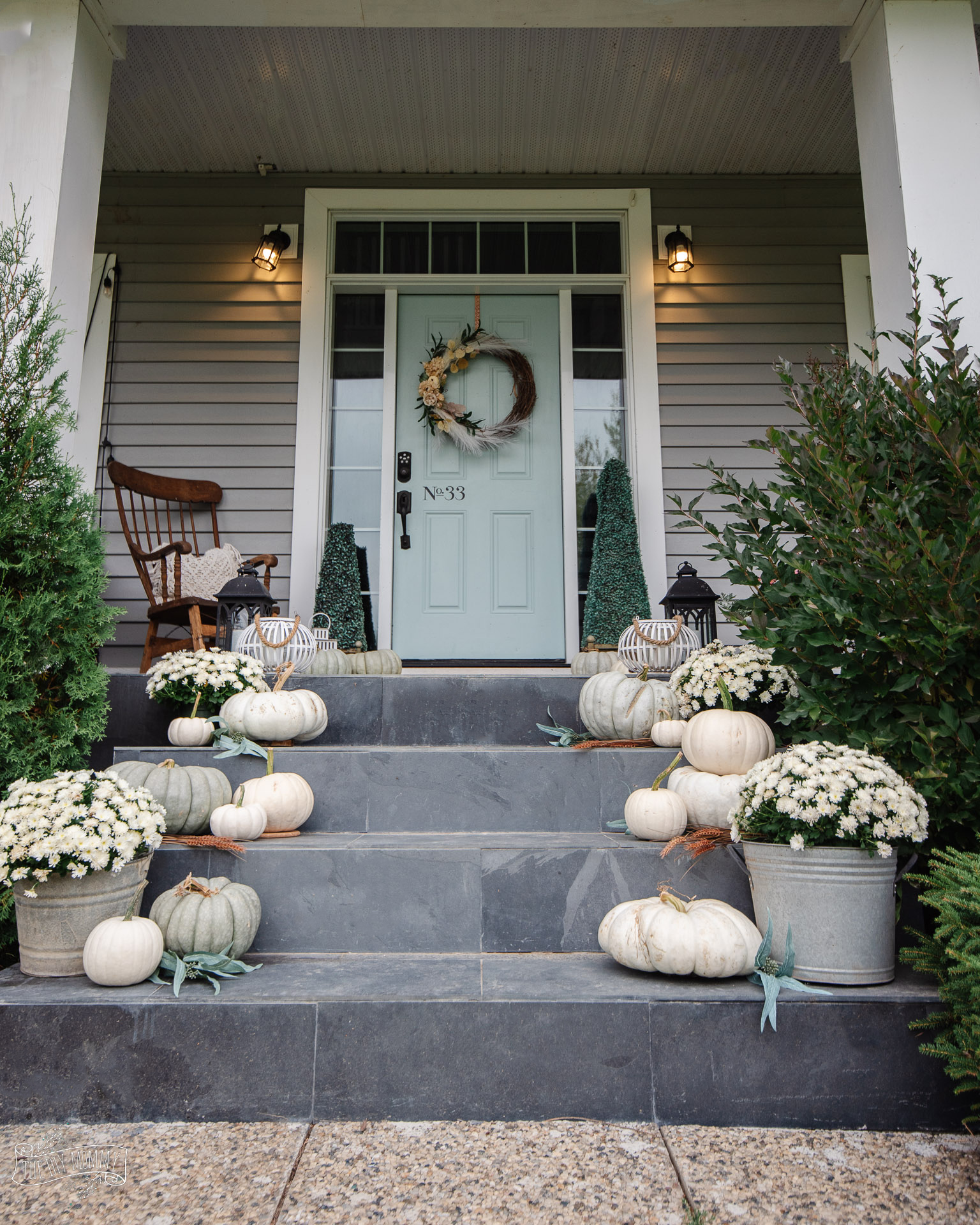
Quick Overview: How to Keep Pumpkins Fresh
Time: About 10 to 30 minutes of prep
Cost: Almost free
Skill level: Beginner
Tools: Soft cloth or vegetable brush, clean towel, pruning shears if harvesting your own
For the longest-lasting pumpkins:
- Choose firm fruit without cuts, bruises, or soft spots.
- Keep the stem attached and never carry a squash by its stem.
- Keep whole pumpkins cool and dry with good airflow.
- Protect outdoor squash from freezing temperatures and excess moisture.
- Keep carved pumpkins as cool as possible.
- Check your squash regularly and remove any that begin to rot.
Under proper storage conditions, some whole pumpkins can stay in good condition for several months, although the exact storage life depends on the variety and condition of the fruit.
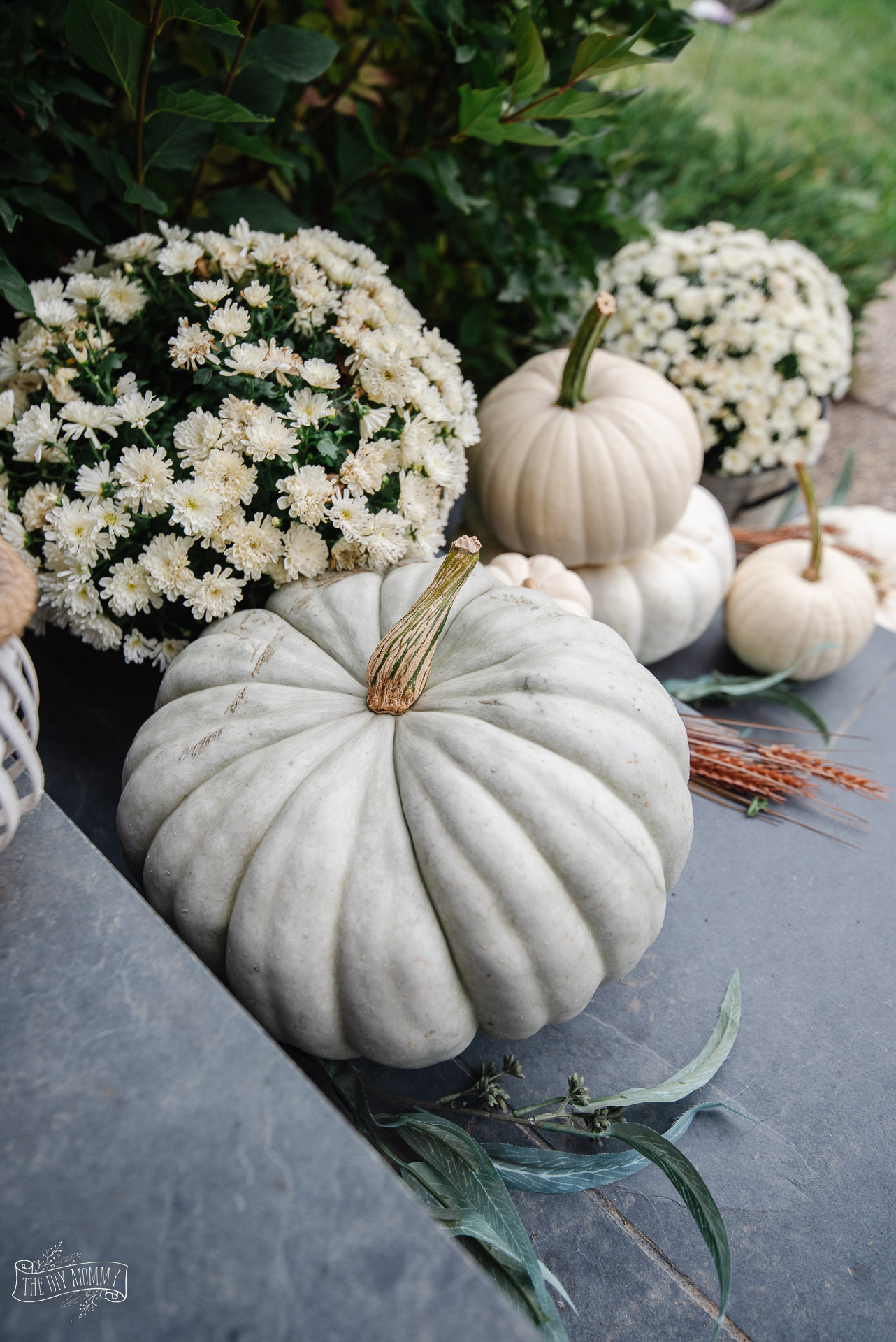
What You’ll Need
You don’t need any expensive preserving products!
For whole pumpkins, I like to have:
- A clean, soft cloth or vegetable brush
- Clean towels
- A dry wooden board, shelf, straw, or another breathable surface for storage
- Optional distilled white vinegar for cleaning decorative pumpkins
- Pruning shears or a sharp knife if you’re harvesting them yourself
If you’re planning to eat the pumpkin later, wash it thoroughly under cool running water before cutting into it. Illinois Extension recommends cleaning away soil with running water and checking for soft spots or bruising before use.
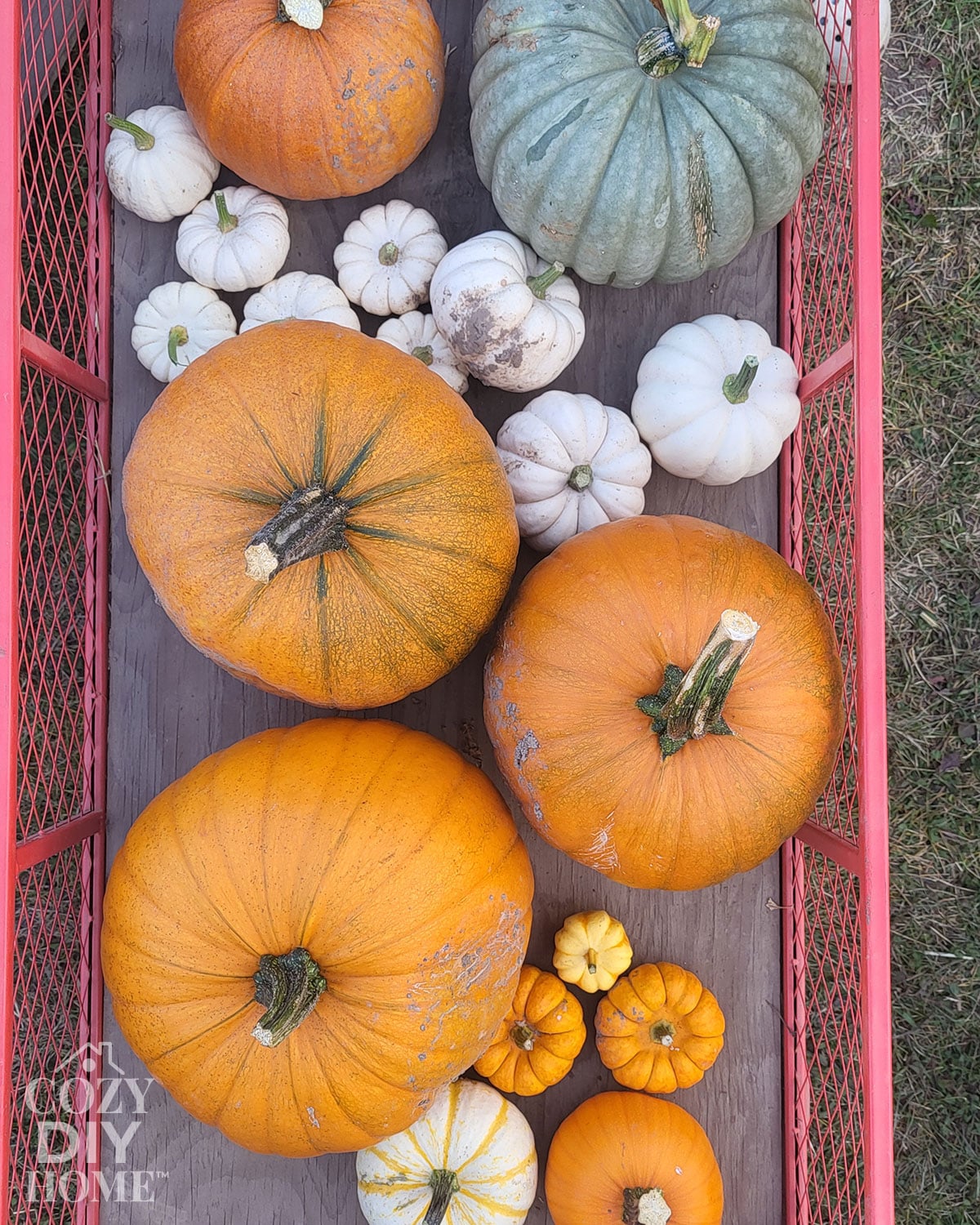
Step 1: Choose a Healthy Pumpkin
One of the easiest ways to make pumpkins last longer actually happens before you bring them home.
Look for a fruit with firm skin and no soft spots, punctures, cracks, or deep scratches. A good pumpkin should feel solid and heavy for its size.
The stem matters, too. Choose a squash with its stem still attached, but don’t use the stem as a handle. Breaking it off can shorten storage life.
I buy my beautiful local pumpkins from Somerset Farms.
Tip: If you’re buying several pumpkins for your porch, inspect the bottoms as well as the sides. It’s easy to miss a soft spot!
Step 2: Clean Well and Let It Dry
If your pumpkin is dirty, gently remove the soil and debris.
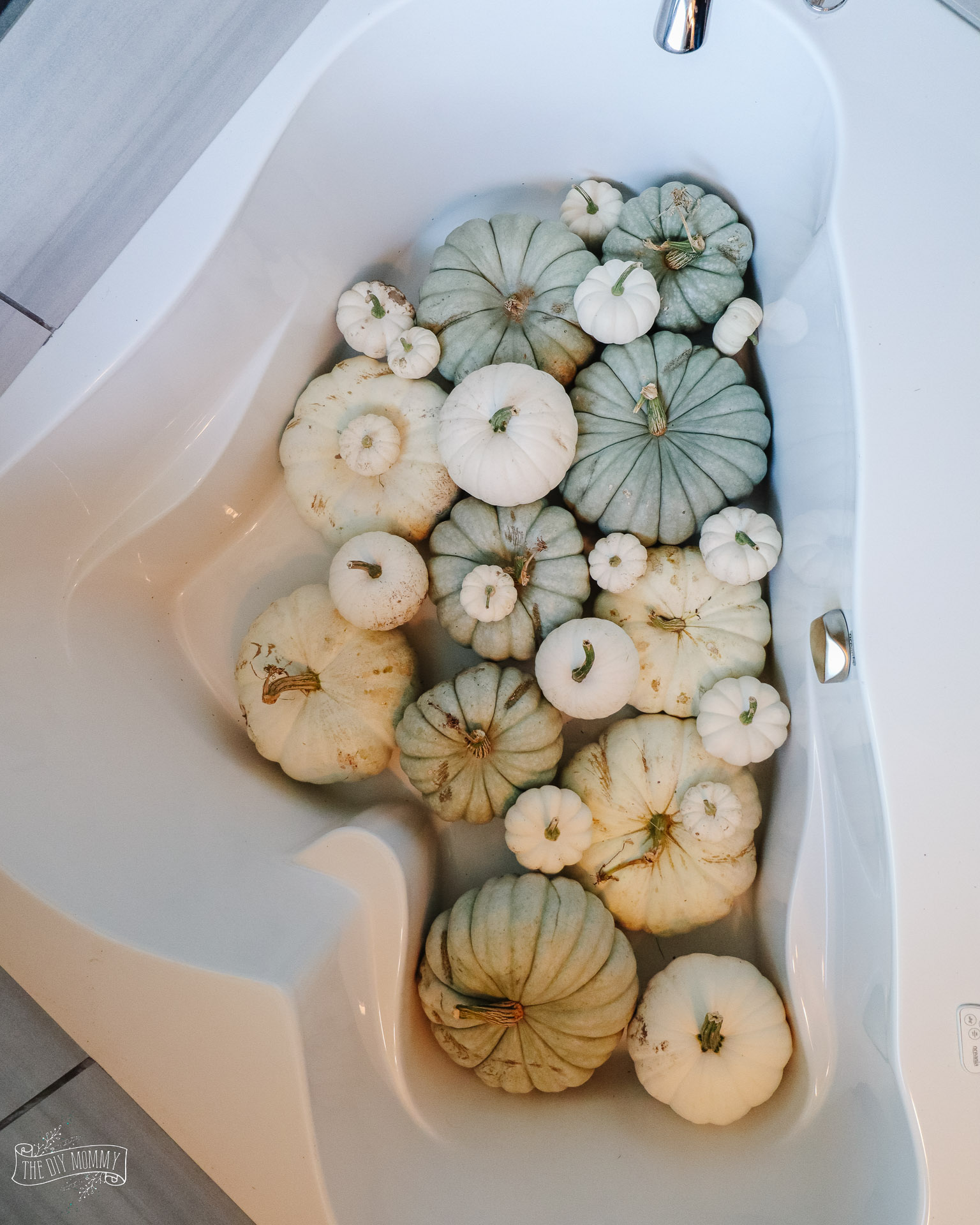
In the past, I’ve also soaked decorative pumpkins in a diluted vinegar solution using about 1 part distilled white vinegar to 10 parts water. I simply use my bathtub! If you use this method, make sure it dries thoroughly afterward.
However, don’t rely on vinegar as the secret to keeping pumpkins fresh. Proper temperature, airflow, gentle handling, and starting with an undamaged fruit are the most important factors for long-term storage.
If you plan to eat the pumpkin, simply wash the outside thoroughly under running water before cutting. There’s no need to use soap.
Step 3: Keep Uncarved Pumpkins Cool and Dry
An uncarved squash can last much longer than a carved one because its protective rind is still intact.
For long-term storage, squash do best at about 50 to 55°F (10 to 13°C) with moderate humidity and good airflow. Depending on the variety, properly stored pumpkins may keep for several months.
Avoid storing themin a warm, stuffy room or sealed container. Moisture and poor airflow can encourage decay.
It’s also a good idea to keep stored pumpkins away from apples and pears. These fruits release ethylene as they ripen, which can shorten the storage life of squash.
Step 4: Protect Outdoor Displays from Moisture and Cold
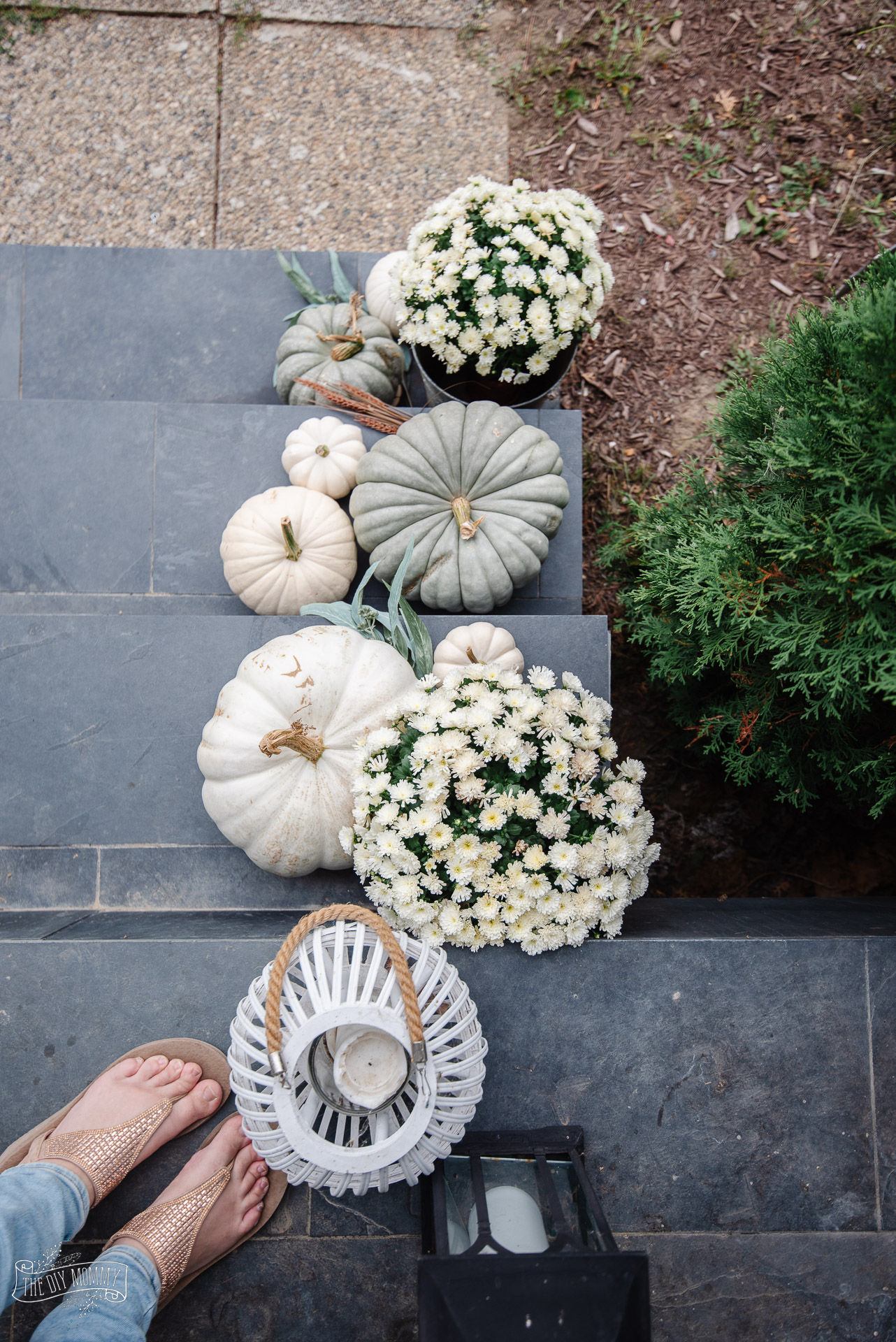
Real pumpkins look so beautiful on a fall porch, but outdoor conditions can be hard on them.
Try to display them somewhere protected from heavy rain. I also like keeping mine on a dry surface instead of letting them sit in a damp spot for weeks.
If your porch surface tends to stay wet, place pumpkins on a wooden board/round, straw, or another breathable material.
Cold weather is another big concern. Squash can suffer chilling or freezing damage, which makes them more likely to deteriorate.
If a hard freeze is in the forecast, bring decorative pumpkins into a protected space.
Easy porch tip: Instead of leaving every squash outside all season, rotate a few of them between your porch display and a cool, protected storage area if your weather becomes especially cold or wet.
Step 5: Store Pumpkins You Want to Eat
If you’re hoping to use your decorative pumpkins for cooking later, don’t carve them or coat them with craft products.
Keep them whole, dry, and undamaged.
For long-term storage, arrange squash in a single layer with space around them for airflow. Check them about once a week for soft spots, mold, or other signs of deterioration.
When you’re ready to cook with one, inspect it carefully and wash the outside under running water before cutting.
For the best flavor and texture, consider using smaller pie or sugar pumpkins for cooking. They tend to have sweeter, less watery, smoother flesh than typical jack-o’-lantern varieties.
How to Make Carved Pumpkins Last Longer
Once you carve a pumpkin, its lifespan becomes much shorter because you’ve broken through the protective rind.
A carved squash may last roughly 7 to 10 days, depending on the weather and conditions.
Here are a few things you can do to help:
- Start with a very fresh, firm pumpkin.
- Use clean carving tools.
- Scoop out the seeds and stringy pulp thoroughly.
- Keep your jack-o’-lantern somewhere cool when you’re not displaying it.
- Protect it from direct sun and unusually warm weather.
- Apply a thin layer of petroleum jelly to the exposed cut surfaces to slow moisture loss.
- Use a battery-operated light instead of a candle.
You can even try adding petroleum jelly on the cut surfaces and notes that the heat from a candle can cook the pumpkin flesh and shorten its lifespan.
Once a squash has been carved and treated with non-food products, I would consider it decor rather than something to cook and eat later.

Carved vs. Uncarved
If longevity is your priority, leave your pumpkins whole for as long as possible.
Uncarved: With proper storage, healthy whole pumpkins can last for weeks or months. Keep them cool, dry, and well ventilated.
Carved: Expect a much shorter display life. Keep them cool and wait until closer to Halloween to carve them if you want them looking their best for trick-or-treat night.
If you love decorated pumpkins but want them to last longer, try my painted pumpkin ideas instead of carving. Just remember that I don’t recommend eating them after applying craft paint or sealers to them.
Common Preserving Mistakes
A few small mistakes can shorten the life of a pumpkin surprisingly quickly.
Carrying pumpkins by the stem: The stem can break off and leave the pumpkin more vulnerable to decay.
Buying them with soft spots: Damage that’s already present isn’t going to improve at home. Start with the healthiest fruit you can find.
Leaving pumpkins constantly wet: Rain, damp surfaces, and poor airflow can encourage rot.
Letting squash freeze: Cold damage weakens the rind and reduces storage quality.
Storing in a pile: Give each some breathing room instead.
Storing pumpkins beside ripening fruit: Apples and pears release ethylene that can shorten storage life.
Carving too early: If you want a fresh jack-o’-lantern for Halloween, wait until closer to the date before carving.
Using a real candle inside a carved pumpkin: The extra heat can speed deterioration. A battery-operated candle is an easy alternative.
Tips for the Best Results
My biggest tip is to check your pumpkins regularly!
A beautiful porch display can look perfectly fine from the front while one squash is starting to soften underneath. Every few days, take a quick look at the bottoms and sides.
I also avoid stacking real pumpkins too tightly. Leaving a little breathing room around them helps with airflow and makes it easier to notice problems early.
And don’t feel like you need to buy your pumpkins weeks and weeks before you need them. If your fall weather is unusually warm, waiting a little longer can make decorating with fresh pumpkins much easier.
If you’re growing your own pumpkins, curing them before long-term storage can also help harden the rind. Curing them in warm, dry conditions with good airflow before moving them into cooler storage.
Cozy Ways to Decorate with Fresh Pumpkins
Fresh pumpkins are one of my favorite fall decorating staples because you really don’t have to do much to make them look beautiful.
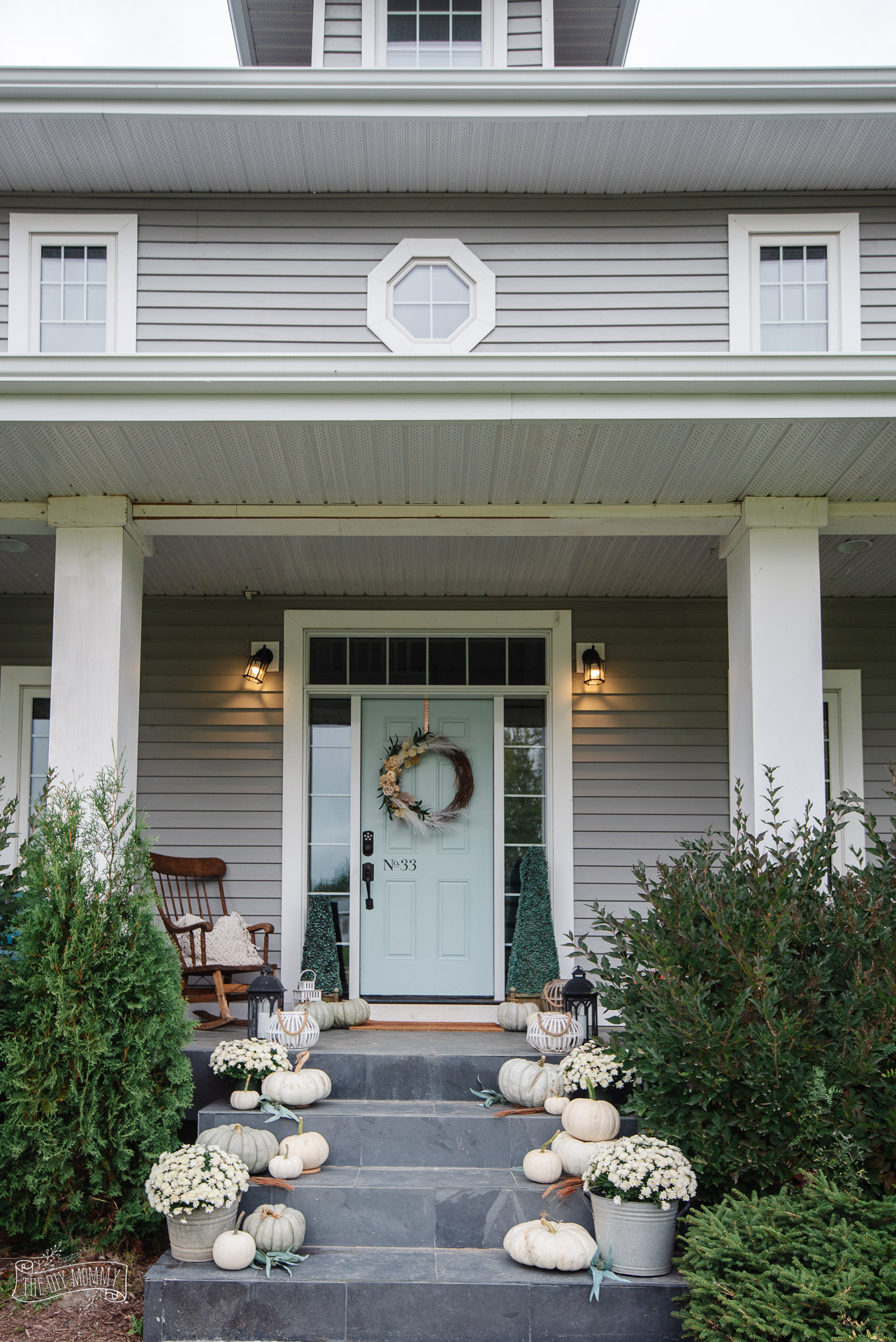
Try grouping them in different sizes and colors around your front door, then add potted mums, lanterns, or baskets for extra texture.
Inside, a few mini pumpkins look beautiful along a dining table, tucked onto an entryway console, or arranged in a large wooden bowl.
You can also decorate them without carving them. Try these easy painted pumpkin ideas, create a romantic pressed-flower piece inspired by my pressed flower DIY ideas, or skip fresh pumpkins altogether and make cozy seasonal decor with these Dollar Tree fall decor DIYs.
If you want to eat your fresh pumpkins later, leave those particular fruit undecorated with paints, adhesives, sealers, and other craft products.

Frequently Asked Questions
How long do uncarved pumpkins last?
Healthy, uncarved squash can potentially last for several months under proper storage conditions, although storage life varies by pumpkin variety and condition. Cool temperatures, moderate humidity, and good airflow are ideal.
How long does a carved pumpkin last?
A carved one generally lasts around 7 to 10 days depending on the weather and storage conditions.
Does vinegar make pumpkins last longer?
I have used a diluted vinegar wash on decorative pumpkins as part of my cleaning routine. However, the most consistent extension recommendations for extending squash storage focus on starting with an undamaged fruit, keeping the stem intact, maintaining cool temperatures, avoiding excess moisture, and providing good airflow.
Should pumpkins be stored in the refrigerator?
Whole squash actually prefer temperatures around 50 to 55°F for long-term storage. Temperatures that are too cold can cause chilling injury. Once pumpkin has been sliced, however, it should be refrigerated for food safety.
Can I eat a pumpkin after using it as fall decor?
Yes, a healthy, uncarved pumpkin that has been stored properly can still be used for cooking. Inspect it carefully and wash the outside before cutting. I would not eat squash that has been carved or treated with paint, sealers, petroleum jelly, or other non-food craft products.
Related Fall Projects
If you love decorating with pumpkins as much as I do, try one of these cozy fall projects next:
- 5 Painted Pumpkin Ideas with Step-by-Step Instructions
- DIY Pressed Flower Ideas
- 10 Dollar Tree DIY Fall Decor Ideas
- Make a Stunning Faux Succulent Pumpkin Centerpiece
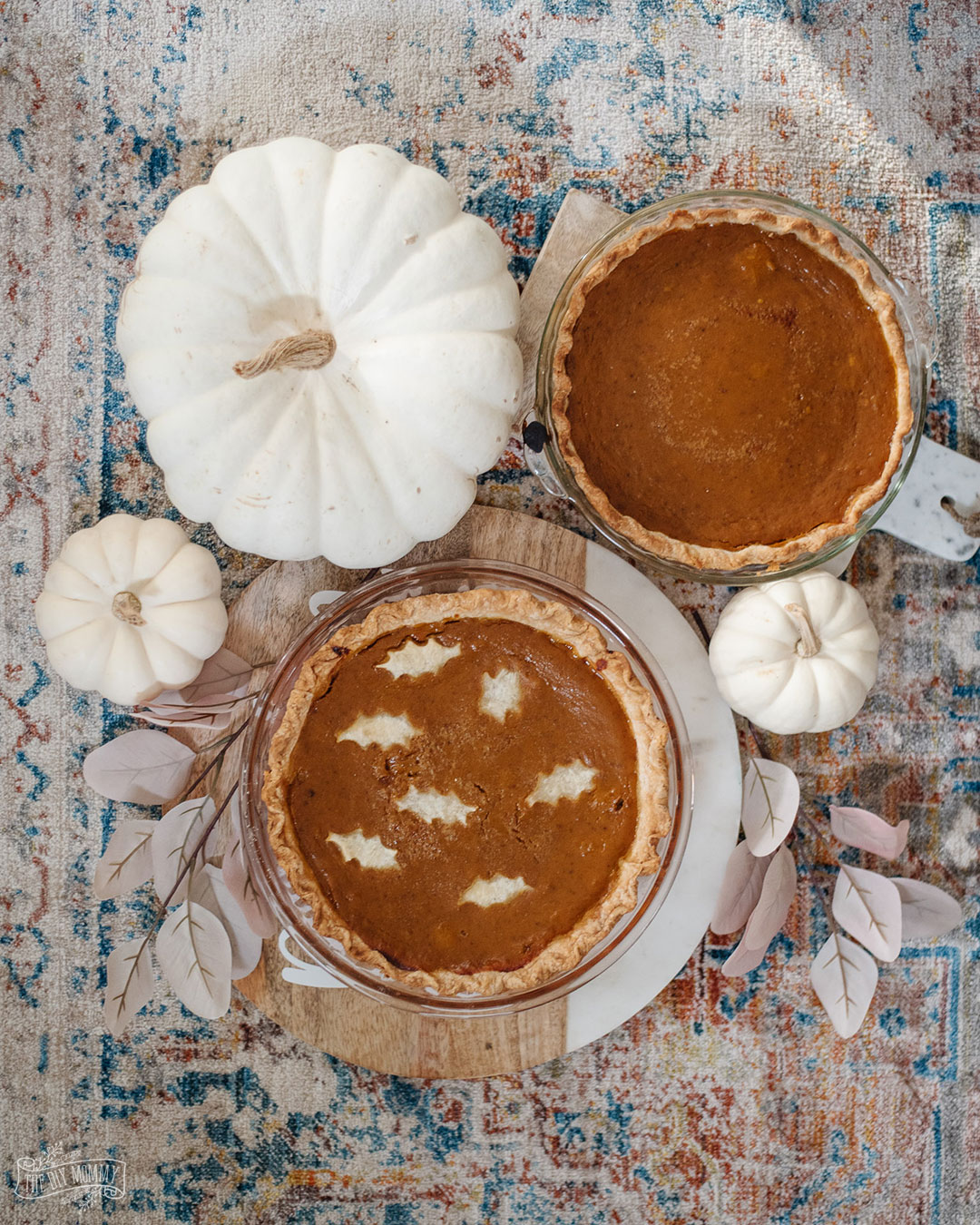
- Make the Best Pumpkin Pie from Scratch
Keeping pumpkins fresh doesn’t have to involve complicated treatments or expensive products. Start with a healthy fruit, handle it gently, keep it cool and dry, and give it plenty of airflow.
For outdoor displays, keep an eye on rain and freezing temperatures. And if you’re carving jack-o’-lanterns, wait until closer to Halloween so they’ll look fresh when you want them to.
With a little care, you can enjoy those gorgeous real pumpkins throughout your fall decorating season and potentially use your uncarved cooking ones in the kitchen afterward.
Have you found a pumpkin-preserving trick that works well for you? I’d love to hear about it in the comments!
Pin Me:


Love the vinegar wash. I will try that. And I think it’s better for the environment than bleach.
Another way to keep pumpkins lasting longer is to spray them with a sealer, found in spray paint section or your craft paint section of the store. I’ve been doing this and they last for a long time.